Machining Hafnium Alloys for Nuclear and High-Performance Applications
Hafnium precision machining for nuclear, aerospace, and extreme-environment systems.

Hafnium is a specialty metal valued for its exceptional neutron absorption capability, high melting point, and resistance to corrosion in demanding environments. These properties make it essential in safety-critical systems such as nuclear reactor control rods, high-temperature aerospace components, and specialized research equipment.
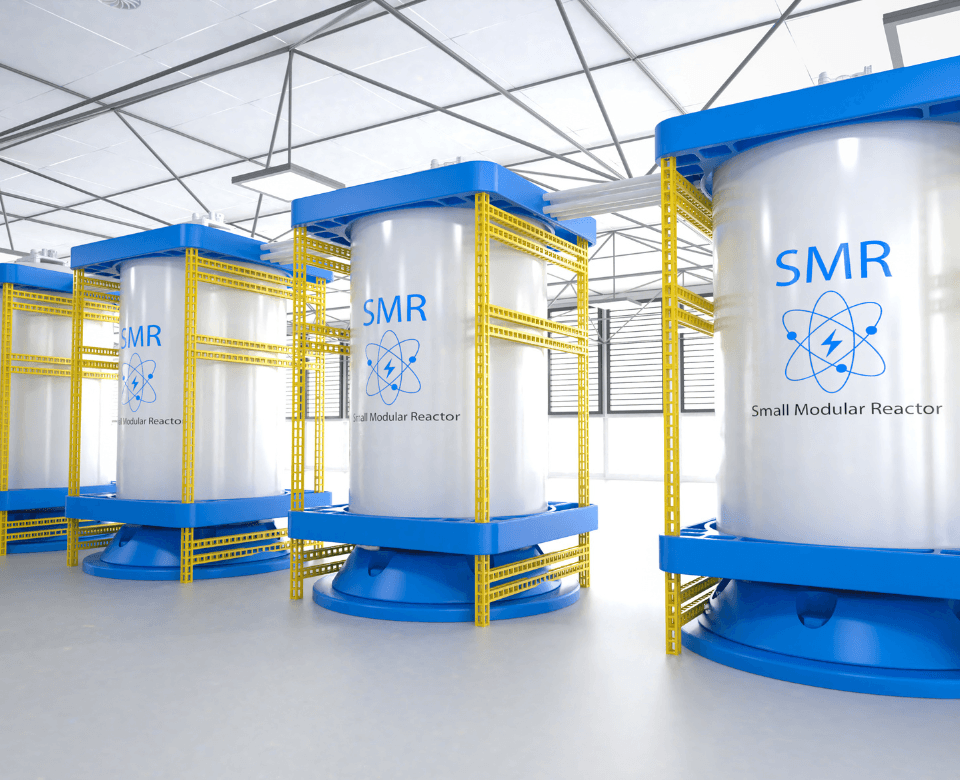
Hafnium Precision Components for Nuclear and High-Performance Applications
Because hafnium is dense, difficult to machine, and typically used in highly regulated applications, component manufacturing requires precision processes, tight tolerance control, and rigorous inspection. However, hafnium alloys machine to an excellent finish and require relatively light horsepower compared with alloy steel. Both hafnium and zirconium alloys require only about 75 percent of the horsepower required for SAE 1020 CR steel during machining operations. The use of specialized machining equipment and proper tooling is crucial to achieve optimal finish, safety, and efficiency when machining hafnium alloys. Elcon Precision supports nuclear, aerospace, defense, and industrial programs with precision-machined hafnium components manufactured to exacting engineering specifications. Fine hafnium chips produced during machining can easily ignite, so they must be handled and stored with care, often under water.
Hafnium is a transition metal closely associated with zirconium in both chemistry and industrial use. In nuclear systems, however, hafnium plays a uniquely important role due to its ability to absorb neutrons efficiently.
This property makes hafnium a preferred material for neutron absorber components, particularly in nuclear reactor control systems. Control rods and related assemblies rely on materials that can reliably regulate neutron flux while maintaining dimensional stability and structural integrity over long operating lifetimes.
In addition to its nuclear properties, hafnium offers a high melting point of approximately 2233 °C (4051 °F) and excellent resistance to corrosion in aggressive environments. These characteristics make it suitable for extreme-temperature and high-reliability applications across aerospace, defense, and research systems.
From a manufacturing perspective, hafnium presents several challenges. The material’s density, strength, and cost require careful machining strategies to avoid excessive tool wear, thermal distortion, or material waste. Because many hafnium components are used in safety-critical assemblies, dimensional accuracy, surface quality, and full material traceability are essential.
Precision machining ensures that hafnium components meet these stringent requirements while maintaining the structural and metallurgical properties required for nuclear and high-performance applications.
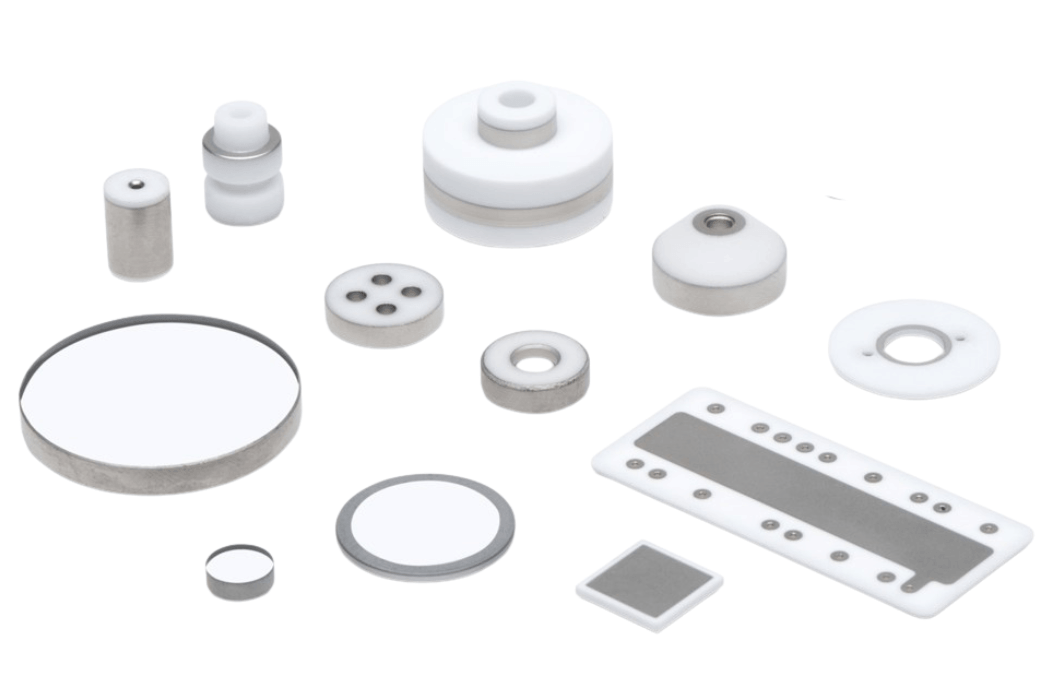
Hafnium for Nuclear and Extreme Environments
Hafnium is a transition metal closely associated with zirconium in both chemistry and industrial use. In nuclear systems, however, hafnium plays a uniquely important role due to its ability to absorb neutrons efficiently.
This property makes hafnium a preferred material for neutron absorber components, particularly in nuclear reactor control systems. Control rods and related assemblies rely on materials that can reliably regulate neutron flux while maintaining dimensional stability and structural integrity over long operating lifetimes.
In addition to its nuclear properties, hafnium offers a high melting point of approximately 2233 °C (4051 °F) and excellent resistance to corrosion in aggressive environments. These characteristics make it suitable for extreme-temperature and high-reliability applications across aerospace, defense, and research systems.
From a manufacturing perspective, hafnium presents several challenges. The material’s density, strength, and cost require careful machining strategies to avoid excessive tool wear, thermal distortion, or material waste. Because many hafnium components are used in safety-critical assemblies, dimensional accuracy, surface quality, and full material traceability are essential.
Precision machining ensures that hafnium components meet these stringent requirements while maintaining the structural and metallurgical properties required for nuclear and high-performance applications.
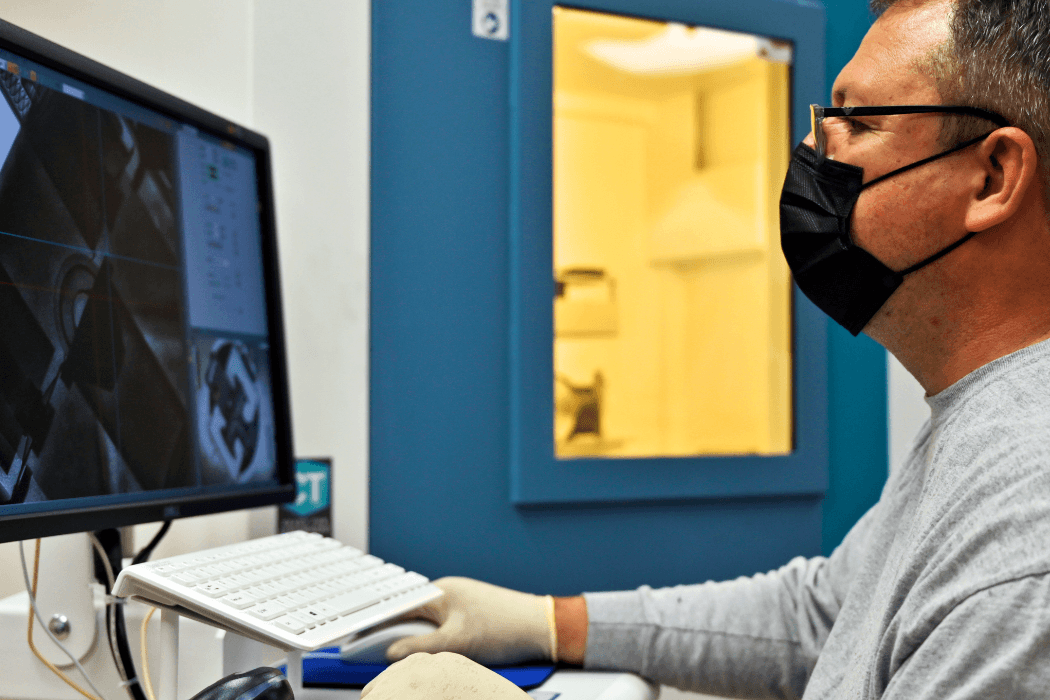
Why Engineers Specify Hafnium
Engineers select hafnium for applications where neutron absorption, temperature capability, and corrosion resistance must be maintained over extended operating lifetimes.
High Neutron Absorption Performance
Hafnium has one of the highest thermal neutron absorption cross-sections among structural metals, making it ideal for neutron control systems in nuclear reactors. This capability enables precise regulation of reactor reactivity through control rods and absorber assemblies.
High Melting Point and Temperature Stability
With a melting point of approximately 2233 °C, hafnium maintains mechanical strength and structural stability at temperatures that exceed the limits of many conventional engineering metals.
Corrosion Resistance
Hafnium forms a stable oxide layer that provides resistance to corrosion in harsh environments, including reactor coolant systems and high-temperature industrial processes.
Dimensional Stability at Elevated Temperatures
Hafnium retains strength and structural integrity during prolonged exposure to elevated temperatures, making it suitable for components subjected to thermal cycling and sustained heat loads.
Compatibility with Zirconium Alloys
Because hafnium is chemically similar to zirconium, it integrates effectively within nuclear reactor materials systems where zirconium alloys are used for cladding or structural elements.
Resistance to Thermal Fatigue
Hafnium’s mechanical stability allows components to withstand repeated thermal cycling without significant degradation, which is critical for long-term operation in reactor environments and high-heat aerospace systems.
Why Precision Machining Is Critical for Hafnium Components
Because hafnium is typically used in highly specialized and safety-critical applications, manufacturing processes must ensure exceptional dimensional accuracy and material integrity.
Tight Dimensional Control
Control rod assemblies, reactor internals, and absorber components often require tight tolerances to maintain proper fit within reactor core structures. Precision machining ensures these tolerances are achieved consistently.
Efficient Use of High-Value Material
Hafnium is a costly specialty metal. Precision machining processes minimize waste while maintaining the accuracy required for engineered components.
Controlled Surface Finishes
Many hafnium components require controlled surface finishes for mating surfaces, sealing interfaces, or mechanical engagement with adjacent components.
Complex Component Geometry
Precision machining enables the production of intricate features such as internal profiles, threaded interfaces, or structural geometries required in nuclear and aerospace assemblies.
Traceability and Quality Compliance
Because hafnium components are frequently used in regulated environments, manufacturing must support full traceability, inspection documentation, and quality verification throughout production.
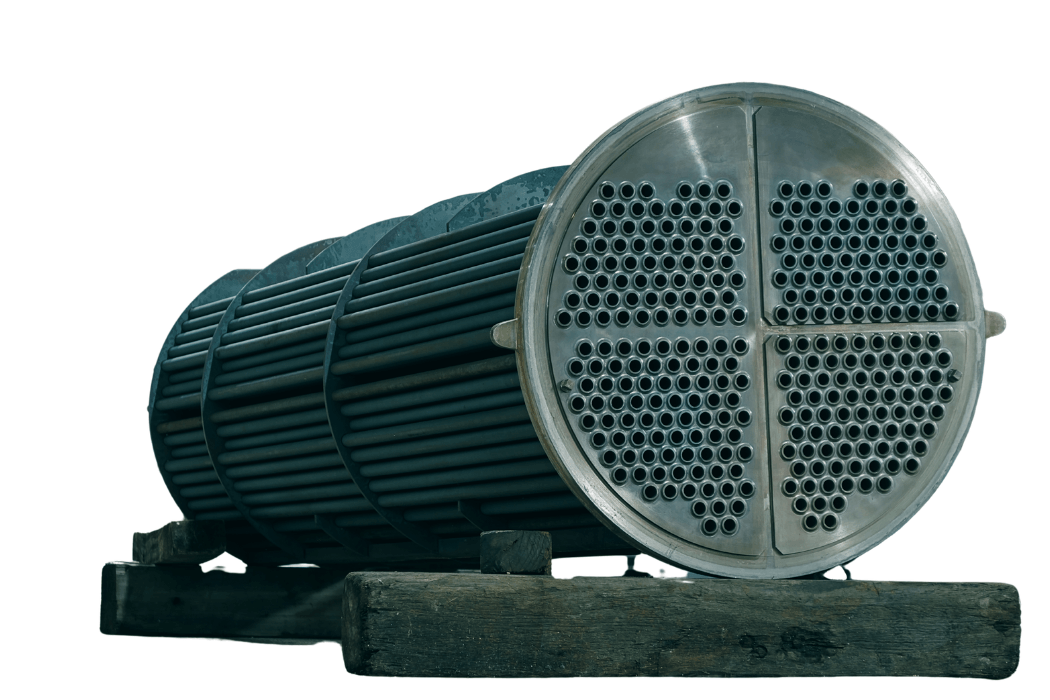
Common Hafnium Components Manufactured, Including Nuclear Reactor Control Rods
Precision-machined hafnium components are used in a range of high-performance and nuclear systems.
Typical components include:
- Nuclear control rod components
- Reactor core internal components
- Neutron absorber elements
- High-temperature fasteners and structural components
- Aerospace high-heat components
- Precision bushings and sleeves
- Specialty machined parts for research and industrial equipment
These components often require tight tolerances, specialized machining processes, and thorough inspection to ensure long-term reliability in extreme environments.

Industry Applications
Nuclear Energy
Hafnium is widely used in nuclear reactors due to its neutron absorption properties. Precision-machined components are used in:
- Control rod assemblies
- Reactor core internals
- Neutron absorber systems
- Structural elements associated with reactor control mechanisms
These components must maintain structural integrity and dimensional stability throughout long operational lifetimes.
Aerospace Components and Defense
In aerospace and defense systems, hafnium is used in applications where high temperatures and structural reliability are critical. Precision components may include:
- High-temperature structural parts
- Propulsion system components
- Specialized shielding elements
- Components for advanced propulsion and experimental aerospace technologies
Industrial and Research Systems
Hafnium is also used in high-temperature industrial environments and laboratory research equipment. Applications include:
- Furnace components
- Vacuum system hardware
- High-temperature fixtures
- Materials research equipment
These systems rely on hafnium’s ability to withstand extreme temperatures and chemically aggressive environments.
Hafnium Material Specifications
| Property | Typical Value |
| Density | ~13.3 g/cm³ |
| Melting Point | ~2233 °C (4051 °F) |
| Boiling Point | ~4603 °C (8317 °F) |
| Thermal Neutron Absorption Cross-Section | ~104 barns |
| Tensile Strength | ~400–700 MPa (varies by grade and processing) |
| Thermal Conductivity | ~23 W/m·K |
| Corrosion Resistance | Excellent in many aggressive environments |
| Available Forms | Bar, rod, plate, and specialty mill products |
Material grades and mechanical properties may vary depending on processing conditions and specific supplier specifications.
How Elcon Precision Supports Hafnium Applications
Elcon Precision provides precision machining capabilities for specialty metals used in demanding engineering environments.
Surface treatment is also an important process for preparing and finishing hafnium materials, enhancing their properties for critical applications.
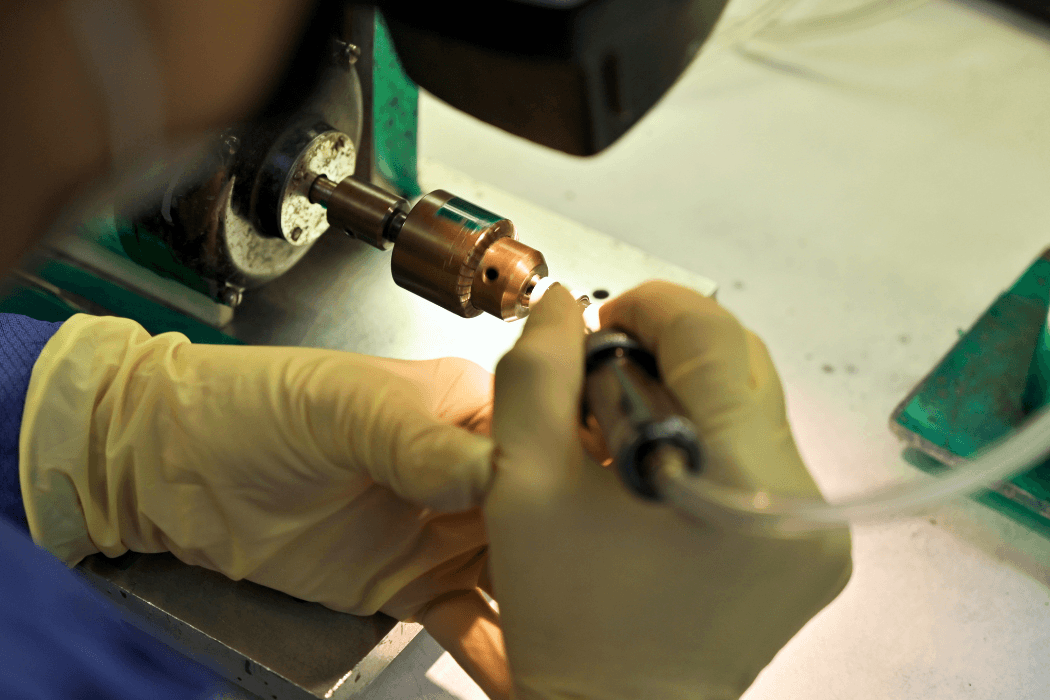
Elcon’s capabilities include metal etching, a precise method used to selectively remove material from hafnium surfaces. Chemical etching of hafnium is valuable for creating intricate and precise patterns on hafnium components. Commonly used etchants for hafnium include Hydrofluoric Acid, Potassium Permanganate, and Hydrochloric Acid. Safety precautions should always be followed when handling chemicals used in hafnium etching, especially Hydrofluoric Acid and Potassium Hydroxide.
Precision Machining Expertise
Elcon manufactures tight-tolerance components for nuclear, aerospace, defense, and industrial systems requiring high-reliability materials such as hafnium.
Experience with Specialty and Nuclear-Grade Materials
Working with high-performance metals requires specialized machining strategies, tooling approaches, and inspection techniques to maintain dimensional accuracy and material integrity.
Tight-Tolerance Manufacturing
Precision machining processes ensure components meet the strict dimensional and geometric requirements common in nuclear and high-performance applications.
Advanced Inspection and Quality Systems
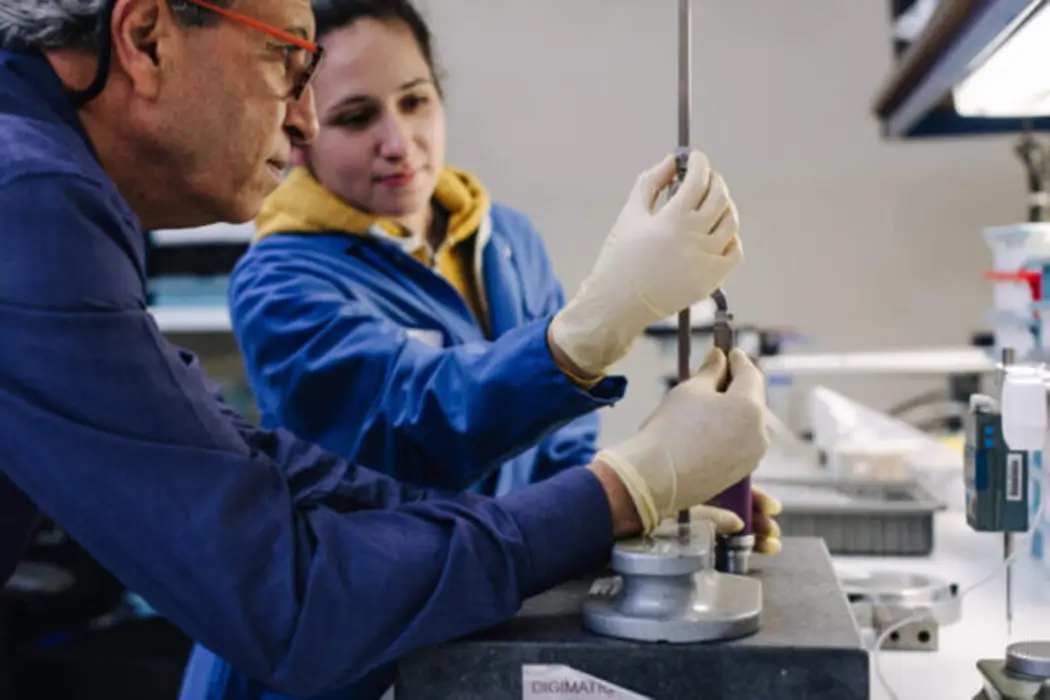
Elcon supports precision manufacturing with robust inspection processes to verify dimensional accuracy and ensure consistent product quality.
Prototype Through Production Support
Engineering teams can work with Elcon from early development through full-scale production, supporting complex projects requiring consistent quality and repeatability.
Material Traceability and Documentation
For regulated industries such as nuclear energy and defense, Elcon maintains material traceability and documentation throughout the manufacturing process.
Precision Hafnium Components for Critical Systems
Hafnium plays an essential role in nuclear reactors, aerospace systems, and high-temperature industrial applications where neutron absorption, temperature stability, and corrosion resistance are required.
Manufacturing components from this specialty metal requires precision machining, rigorous inspection, and careful material handling to ensure dimensional accuracy and long-term reliability.
Elcon Precision supports these demanding applications with precision-machined hafnium components manufactured to meet the strict requirements of nuclear, aerospace, defense, and high-performance industrial systems.