Our Brazed Assembly Process
—
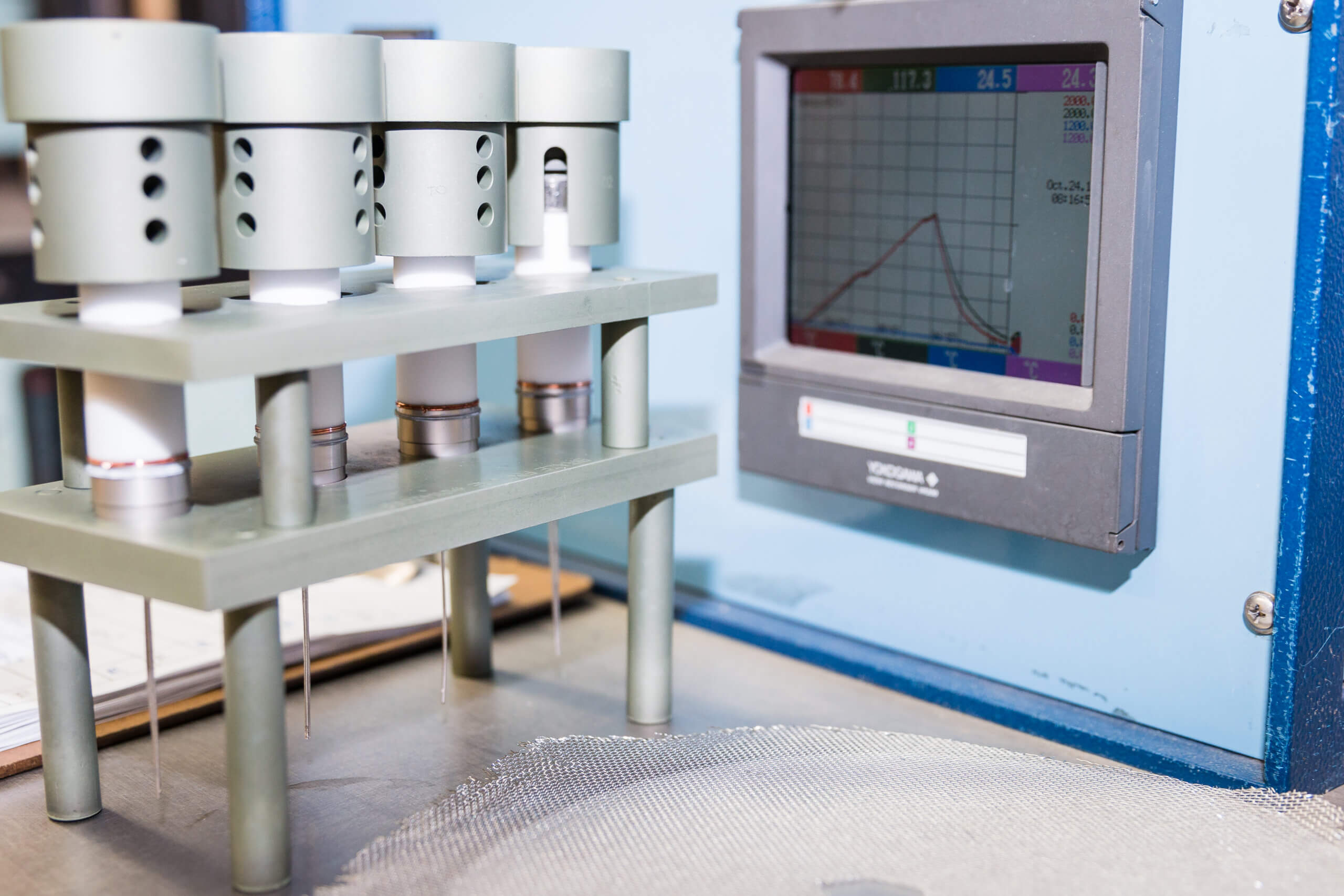
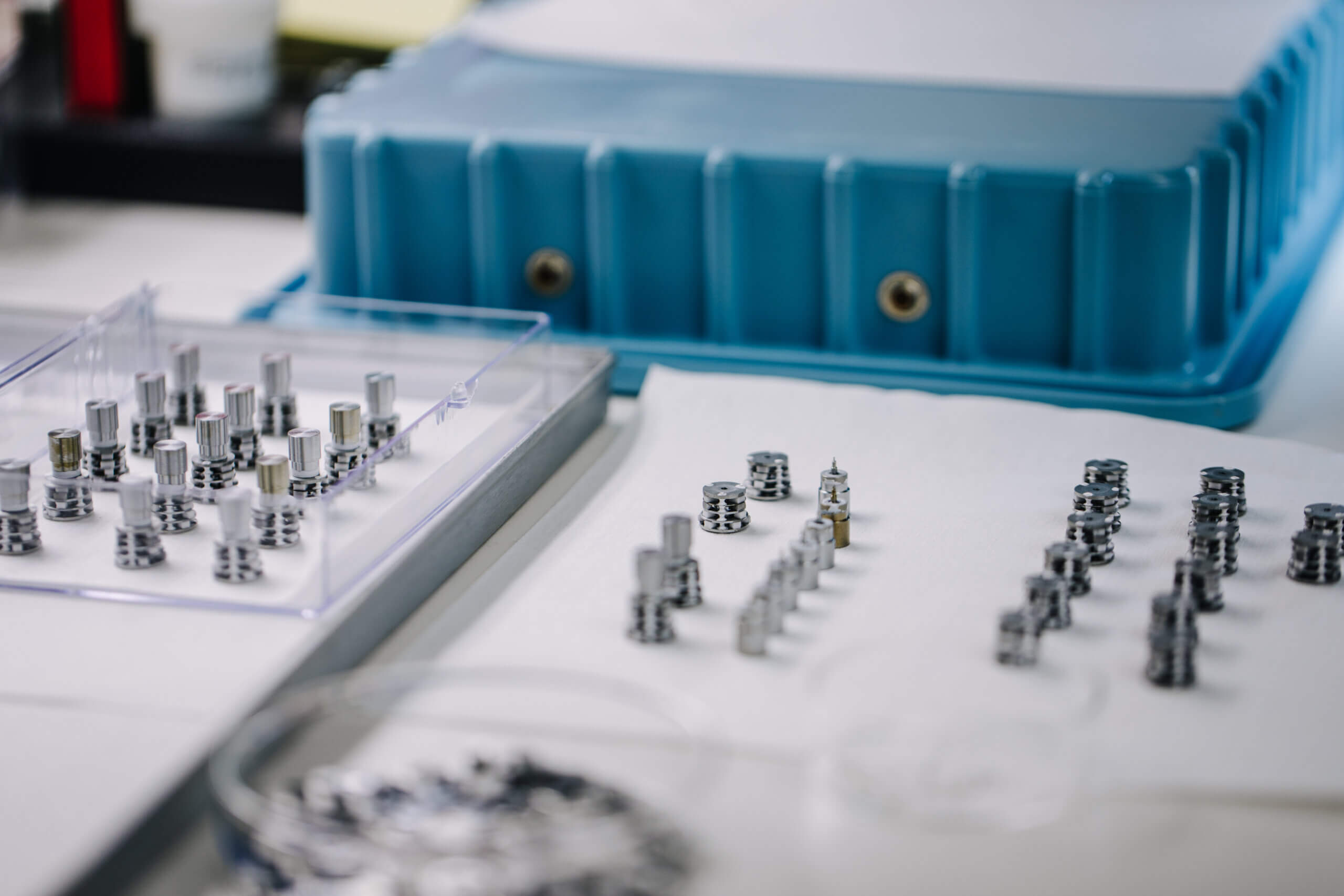
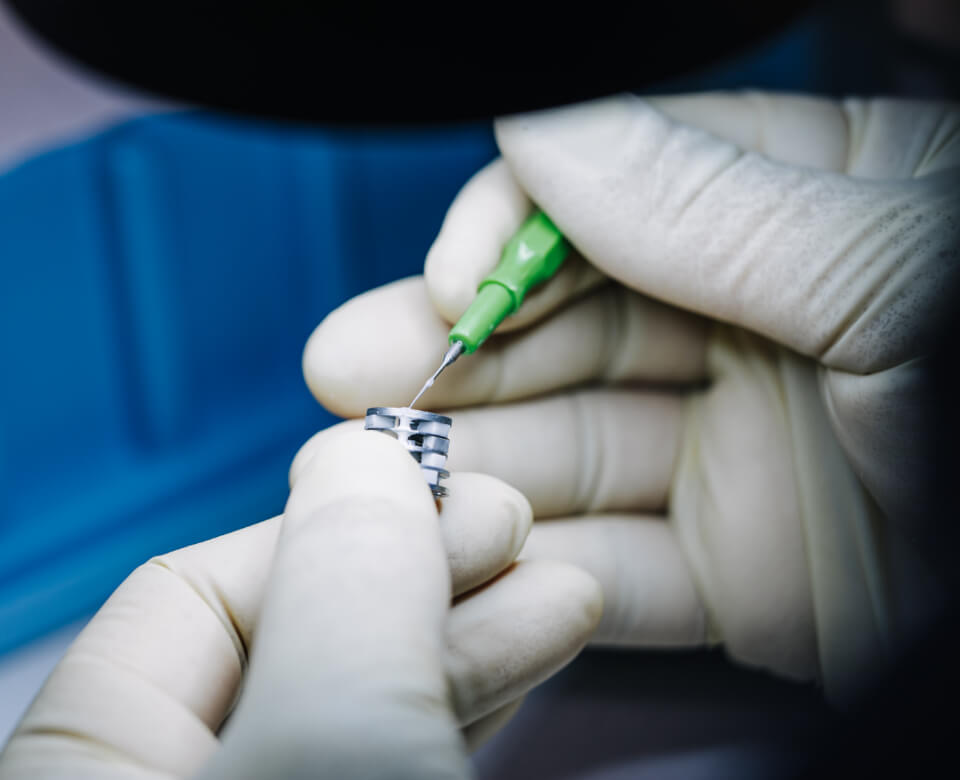
Depending on the material type, part geometry, thermal expansion requirements, metal surfaces, ceramic surfaces, and final operating environment, Elcon’s engineering team selects the brazing fixtures, joint design, braze alloy, and process best suited to the application.
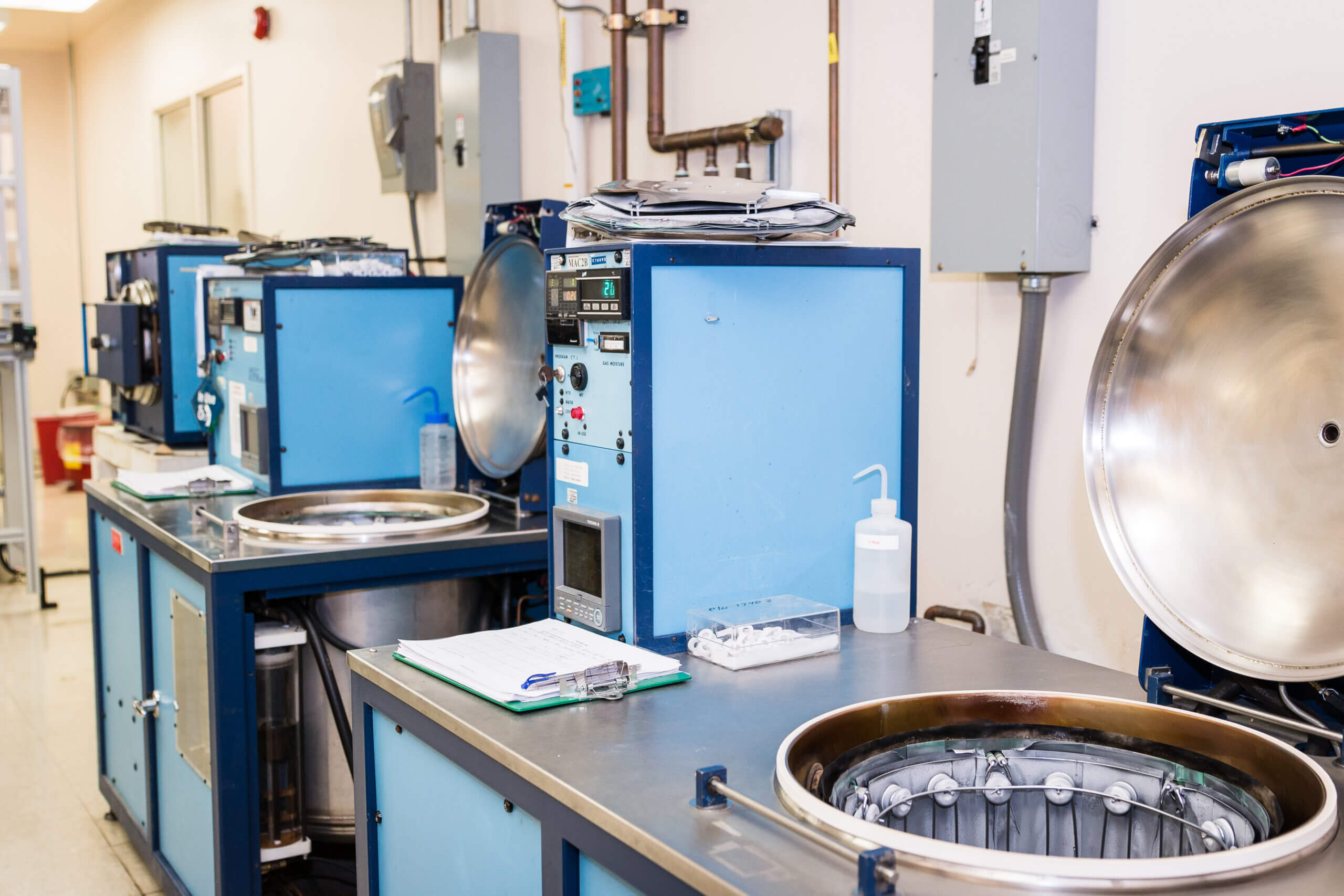
Through atmosphere brazing, vacuum brazing, furnace brazing, and partial pressure brazing, we join metal components and ceramic components in controlled environments that help protect assemblies from oxidation. When the application calls for direct ceramic joining without metallization, active metal brazing can be a cost-effective solution performed by our in-house team.
Controlled furnace brazing is especially useful for complex geometries, ceramic-to-metal bonding, dissimilar materials, and assemblies with multiple joints because components can be heated uniformly in a protected environment.
Elcon is also capable of joining metal components by laser, TIG, and spot welding. For applications where a clean, controlled, flux-free furnace environment is required, learn more about our vacuum brazing services.
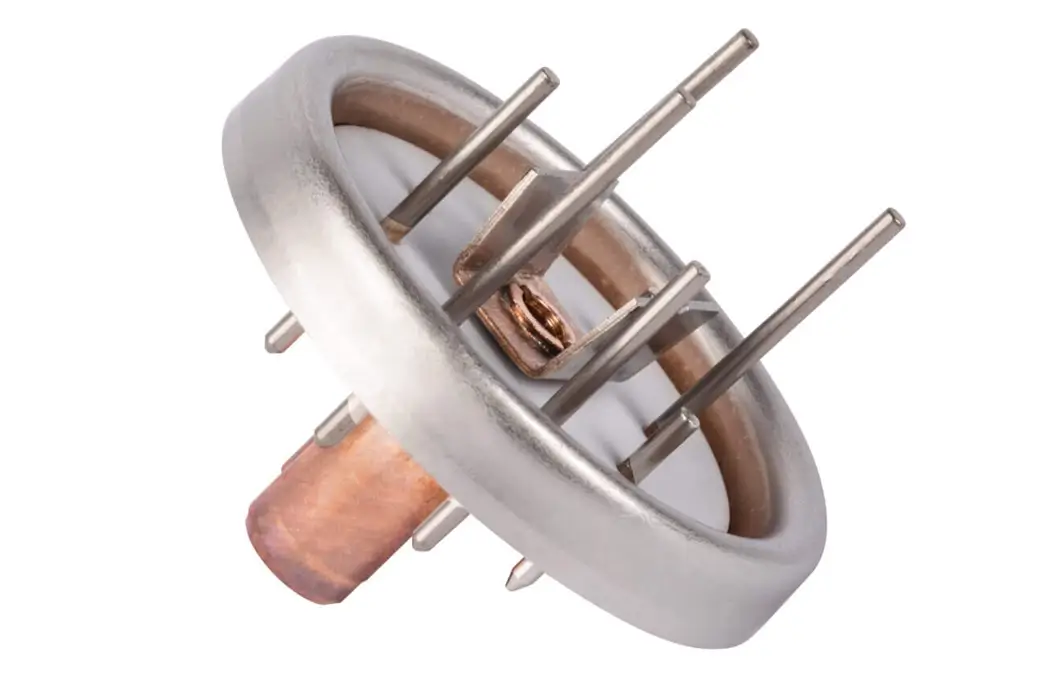
Brazed Assemblies for Extreme Operating Conditions
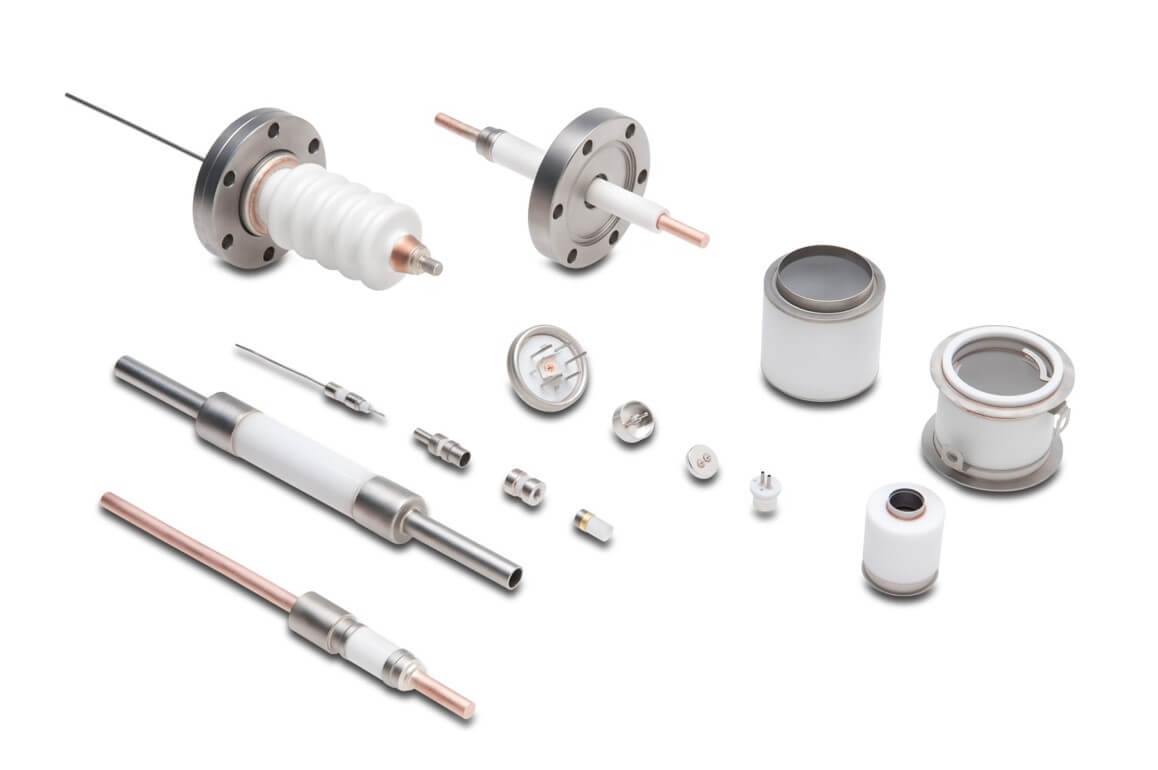
Elcon’s metal and ceramic brazing services support manufactured components used in extreme conditions where reliability, hermeticity, and long-term performance are critical.
Our brazing techniques are essential for producing components such as power grid tubes and vacuum interrupters, where maintaining a hermetic seal in high-vacuum environments is critical. These applications require reliable operation under high voltage and current conditions, helping prevent gas leaks while improving component longevity and performance.
Elcon’s brazed assemblies are also used in applications where thermal cycling, heat exposure, tight tolerances, complex geometries, and demanding electrical requirements make conventional joining methods difficult to use reliably.
Benefits

- High hermeticity
- High repeatability
- Minimal oxidation
- Minimal part-to-part variation
- Robust bond
- Support for complex geometries
- Reliable brazed joints
- Competitive cost
- Greater quality control
- Efficient turnaround
Capabilities

- Advanced brazing techniques
- Proprietary metallization
- In-house metallizing, plating, and glazing
- In-house machining of fixtures
- Metal-to-metal brazing
- Ceramic-to-metal brazing
- Active metal brazing
- Atmosphere brazing
- Vacuum brazing
- Furnace brazing
- Partial pressure brazing
- TIG welding
- Spot welding
- Brazing temperature range: 300°C to 1200°C
- Maximum part diameter:
- Vacuum furnace: 8 in.
- Hydrogen furnace: 8 in.
- Maximum part length:
- Vacuum furnace: 9 in.
- Hydrogen furnace: 9 in.
- Testing
- Helium Leak Performance, Vacuum Leak Testing up to 10-10 Torr
- Joint Strength
- XRF
- Cross Sections
- 160 KV X-ray Inspection
Specifications
View applications for brazed assembly, the materials we use, example products, and more below.