
Brazed Assemblies
Selecting the right brazing alloy is more than choosing a brazing material that joins two parts. It is a critical engineering decision that influences joint strength, thermal performance, corrosion resistance, manufacturability, and long-term reliability. Whether you’re designing aerospace hardware, semiconductor equipment, thermal management assemblies, or industrial process systems, alloy selection directly affects how well your components perform throughout their service life.
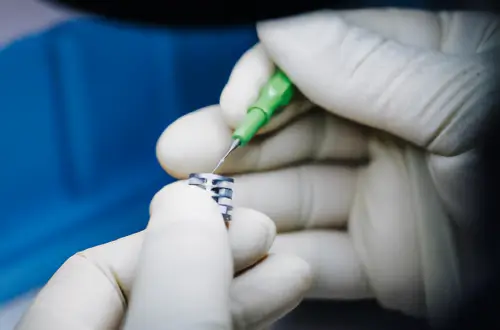
The brazing process joins base metals by heating an assembly until a braze filler metal reaches its melting temperature. Unlike welding, the base metals do not melt. Instead, the molten filler metal is drawn into precisely controlled joint clearances through capillary action, where it flows between prepared metal surfaces to create strong, metallurgical bonds.
Choosing between silver, nickel, and copper brazing alloys depends on several engineering considerations, including operating temperature, corrosion exposure, material compatibility, manufacturing method, and cost. This guide explains how to evaluate these tradeoffs so you can select the best solution for your application.
Understanding Brazing Alloys
Brazing is a versatile metal joining process capable of producing high-strength, leak-tight, and repeatable brazed joints across a wide range of metals and advanced materials.
During a brazing operation, a filler metal with a lower melting point than the components being joined melts and flows into the joint through capillary action. As the assembly cools through controlled cooling cycles, the filler solidifies to produce joints capable of handling demanding mechanical, thermal, and environmental conditions.
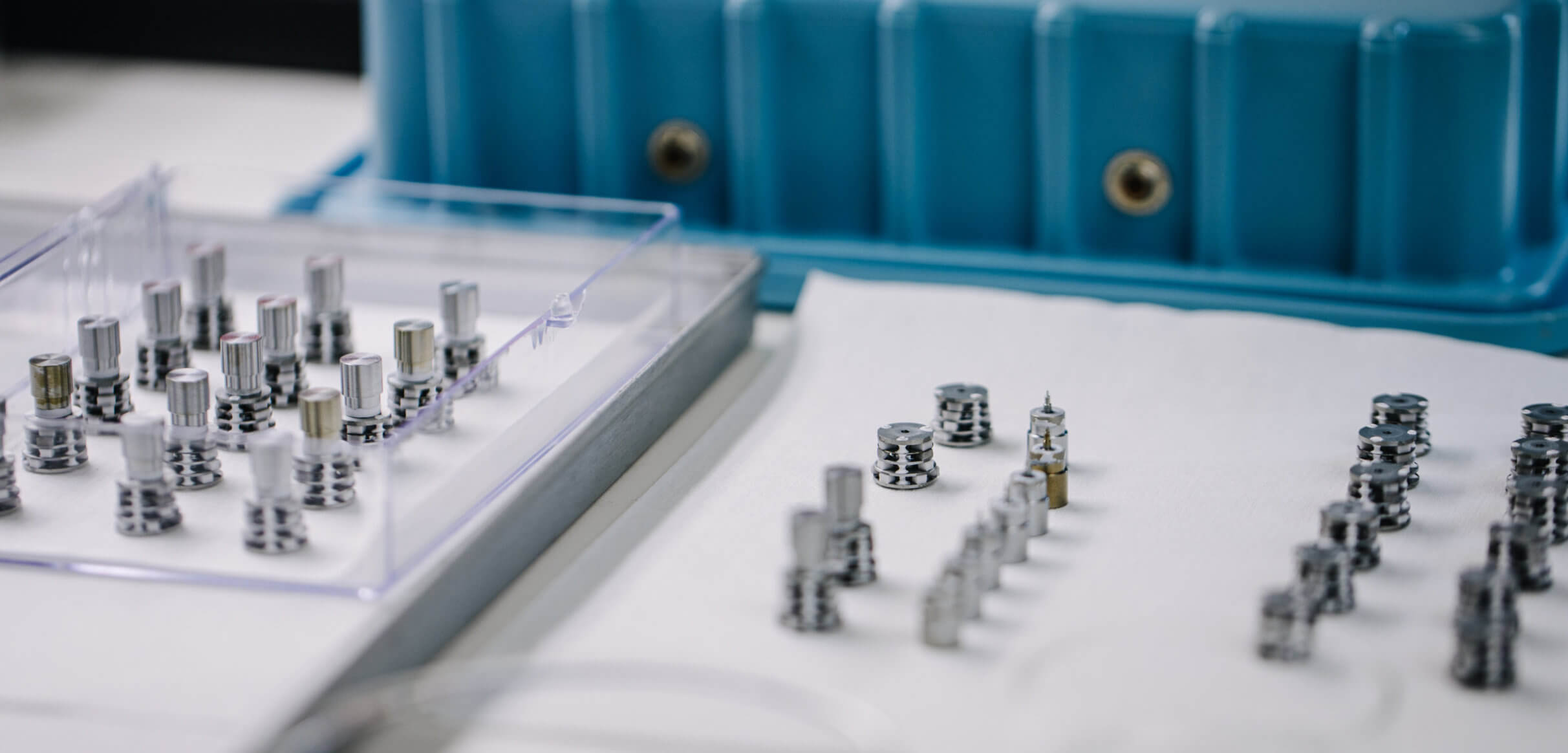
Successful brazing depends on much more than selecting a filler alloy. Engineers should evaluate:
- Base material compatibility
- Required service temperature
- Corrosion resistance requirements
- Joint geometry and gap control
- Manufacturing volume
- Heating method
- Inspection and qualification requirements
- Long-term reliability expectations
Because different brazing materials behave differently during heating and cooling, alloy selection should always be considered alongside the overall product design.
Factors That Influence Brazing Alloy Selection
Operating Temperature
Every alloy has a recommended brazing temperature and maximum service temperature.
Applications operating at high temperatures, such as turbines, aerospace propulsion systems, and industrial furnaces, typically require alloys that retain strength without excessive creep or oxidation.
Lower-temperature assemblies may prioritize reduced thermal distortion and compatibility with sensitive components.
Material Compatibility
Different base metals require different filler alloys.
Common combinations include:
- Stainless steel
- Copper alloys
- Nickel alloys
- Aluminum alloys
- Titanium
- Technical ceramics
- Ceramic-to-metal assemblies
The selected alloy must properly wet the surfaces; when matched correctly to specific metals, brazing can join aluminum, copper, and stainless steel while avoiding brittle intermetallic formation or excessive diffusion.
Environmental Exposure
The operating environment influences alloy selection as much as mechanical requirements.
Consider exposure to:
- Moisture
- Corrosive chemicals
- Vacuum environments
- Thermal cycling
- Oxidizing atmospheres
- High-pressure systems
Selecting an alloy with appropriate corrosion resistance helps maximize component life while reducing maintenance costs.
Manufacturing Method
Different heating methods affect production quality and consistency.
Common processes include:
- Vacuum brazing
- Furnace brazing
- Induction brazing
- Torch brazing
- Manual brazing
Production volume, component complexity, cleanliness requirements, and process repeatability all influence which method is most appropriate.
Silver vs. Nickel vs. Copper Brazing Alloys
Silver Brazing Alloys
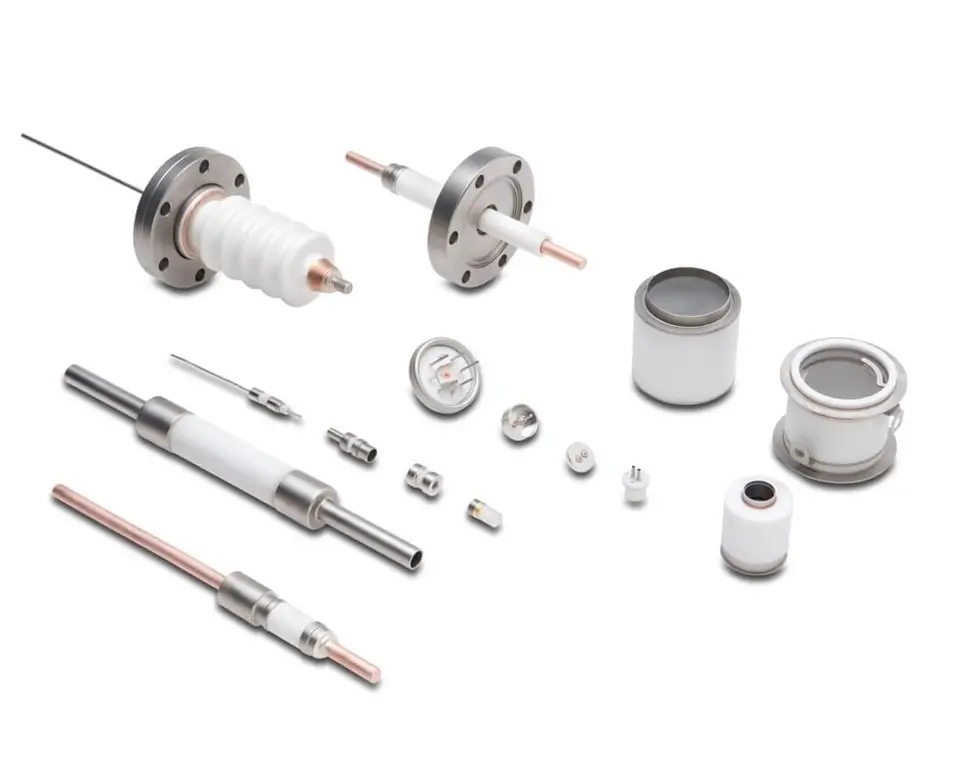
Silver brazing alloys are among the most versatile filler materials available.
Advantages
- Excellent wetting characteristics
- Lower processing temperatures
- Joins many dissimilar metals
- Good ductility
- Reduced distortion
- Excellent capillary flow
Because silver alloys melt at a relatively low temperature, they are often selected for precision assemblies where excessive heat could damage surrounding components.
The exact alloy composition, including silver content, determines flow characteristics, strength, and service temperature.
Limitations
- Higher material cost
- Reduced performance at elevated temperatures
- May not be ideal for aggressive chemical environments
Typical Applications
- HVAC systems
- Medical instruments
- Electrical assemblies
- Precision sensors
- Fluid handling systems
- Instrumentation
- General industrial manufacturing
Nickel Brazing Alloys
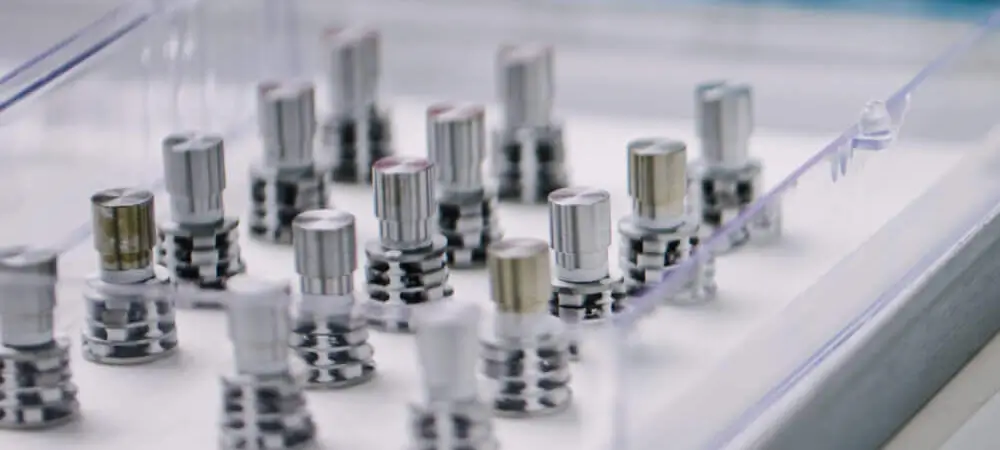
Nickel alloys are widely used where extreme temperatures, oxidation resistance, and structural reliability are critical.
Advantages
- Excellent high-temperature strength
- Outstanding oxidation resistance
- Better corrosion resistance
- Suitable for vacuum environments
- Excellent long-term stability
Many aerospace manufacturers rely on nickel filler metals for demanding service environments where components experience repeated thermal cycling.
Limitations
- Higher brazing temperatures
- More demanding process control
- Less forgiving than silver alloys
- Greater sensitivity to joint design
Typical Applications
- Jet engines
- Heat exchangers
- Aerospace structures
- Semiconductor processing equipment
- Vacuum systems
- Power generation equipment
Copper Brazing Alloys
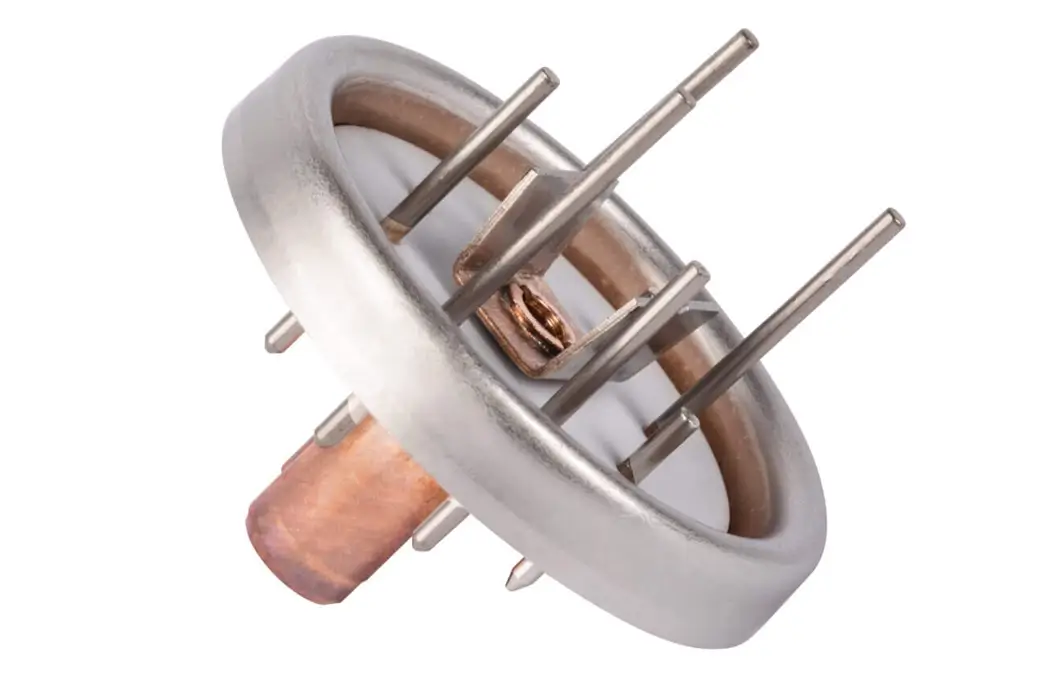
Copper-based filler metals provide economical joining solutions with excellent thermal and electrical conductivity.
Advantages
- Cost-effective
- Excellent thermal conductivity
- High electrical conductivity
- Good mechanical strength
- Ideal for compatible copper systems
Limitations
- Higher processing temperatures
- Limited corrosion resistance in certain environments
- Not suitable for every base material combination
Typical Applications
- Thermal management systems
- Electrical conductors
- Heat exchangers
- Industrial equipment
- Power electronics
Choosing the Right Alloy for Your Application
Rather than asking which alloy is “best,” engineers should determine which alloy best satisfies the application’s design requirements.
| Application Requirement | Recommended Alloy |
|---|---|
| Lower processing temperatures | Silver |
| Join dissimilar metals | Silver |
| High-temperature service | Nickel |
| Vacuum-compatible assemblies | Nickel |
| Maximum corrosion resistance | Nickel |
| High thermal conductivity | Copper |
| Cost-sensitive manufacturing | Copper |
| Precision instrumentation | Silver |
| Structural aerospace assemblies | Nickel |
Every project requires balancing performance, manufacturability, qualification requirements, and total lifecycle cost.
Brazing Applications by Industry
Aerospace and Defense Industries
High-reliability assemblies used in the aerospace and defense industries require exceptional process control and repeatable joint quality.
Typical applications include:
- Structural assemblies
- Jet engines
- Sensors
- Electronic packaging
- Thermal management hardware
- Fuel systems
- Hermetic packages
These programs frequently use vacuum brazing and controlled atmosphere processes to maximize consistency and reliability.
Semiconductor Equipment
Semiconductor manufacturing equipment often demands:
- Ultra-clean assemblies
- Vacuum compatibility
- Leak-tight joints
- Thermal stability
- Precision dimensional control
Nickel and active brazing systems are commonly used in ceramic-to-metal assemblies, feedthroughs, and vacuum components.
Thermal Management Systems
Effective cooling depends on reliable joints with excellent thermal conductivity.
Common applications include:
- Cold plates
- Heat exchangers
- Liquid cooling systems
- Electronics cooling
- Power conversion equipment
Copper and silver alloys are frequently selected depending on operating temperatures and material combinations.
Industrial Manufacturing
Industrial brazing supports:
- Process equipment
- Instrumentation
- Power electronics
- Automation systems
- Fluid handling components
Selection often balances durability with production efficiency.
Material Compatibility Considerations
Successful brazing requires compatibility between the filler alloy and the parent materials.
Engineers should evaluate:
- Stainless steel
- Copper alloys
- Nickel alloys
- Aluminum alloys
- Reactive metals
- Titanium
- Ceramic-to-metal assemblies
Some materials require additional preparation, including nickel plating, to improve wetting and joint quality.
Manufacturing and Design Considerations
Reliable brazed assemblies begin with good engineering.
Key considerations include:
Joint Design
Proper joint clearances allow capillary action to distribute filler evenly and ensure the joint fills completely; in practice, brazing requires a minimum clearance of .0015 inches if capillary flow is expected to fill the joint completely.
Surface Preparation
Clean surfaces improve wetting and reduce defects.
Preparation methods may include:
- Mechanical cleaning
- Chemical cleaning
- Vapor degreasing
- Metallic grit blast
- Wire brush finishing
Proper cleaning also removes contaminants that may interfere with bonding.
Flux Selection
Many manual processes require flux to prevent oxidation.
After brazing, residual flux and excess flux should be removed to reduce corrosion risk and improve appearance.
Vacuum brazing typically eliminates the need for flux entirely.
Heating Method
Depending on the application, engineers may choose:
- Vacuum brazing
- Furnace brazing
- Induction heating
- Induction brazing
- Torch brazing
- Manual brazing
Each method produces different heating profiles, affects cycle time, and influences repeatability.
Process Control
Successful production requires control over:
- Heating cycle
- Controlled atmosphere
- Dissociated ammonia atmospheres where appropriate
- Cooling cycles
- Joint inspection
- Proof testing
- Secondary finishing, although many brazed joints joining metal components need little or no finishing because they are typically smooth in appearance
Repeatable manufacturing minimizes variability and reduces the risk of joint failure.
Operator skill is particularly important for manual brazing, while automated furnace and vacuum processes provide greater consistency for high-volume production.
Why Alloy Selection Impacts Long-Term Reliability
A brazed joint must continue performing long after production.
Poor alloy selection can contribute to:
- Joint failure
- Corrosion
- Thermal fatigue
- Leakage
- Reduced fatigue life
- Distortion
- Premature maintenance
Selecting the appropriate filler material during design helps improve manufacturability while reducing lifecycle costs and qualification risk.
How Elcon Precision Supports Advanced Brazing Applications
Elcon Precision partners with engineering teams to develop high-reliability brazed assemblies for demanding industries where performance and repeatability are critical.
Our capabilities include:
- Vacuum brazing
- Controlled atmosphere brazing
- Active metal brazing
- Ceramic-to-metal joining
- Metallization
- Hermetic sealing
- Precision assembly manufacturing
We support customers throughout the engineering process, from alloy selection and process development through qualification and production, helping optimize performance, manufacturability, and long-term reliability across aerospace, defense, semiconductor, industrial, and thermal management applications.
Request a Quote or Speak with an Engineer
Selecting the right brazing alloy requires balancing material compatibility, operating environment, manufacturing constraints, and long-term reliability.
Whether your application involves high-temperature aerospace hardware, semiconductor vacuum assemblies, thermal management systems, or precision industrial components, Elcon Precision can help identify the optimal brazing process and alloy for your design.
Request a quote to discuss your project requirements, or speak with an engineer to evaluate alloy selection, manufacturability, and process optimization for your next high-performance assembly.
