The Role of Heat Exchangers in Small Modular Reactors
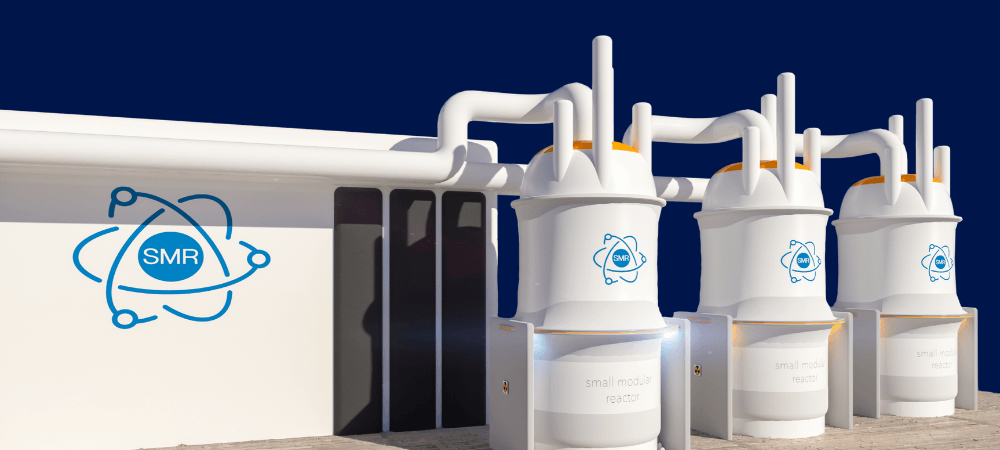
Small Modular Reactors (SMRs) are redefining how nuclear energy is deployed. Unlike conventional large-scale plants, SMRs are designed for modular construction, enhanced passive safety, and flexible deployment. Many next-generation designs under development in the United States, Europe, and Asia aim to deliver carbon-free power with lower upfront capital investment and improved scalability.
A nuclear reactor is the heart of a nuclear power plant. It contains and controls nuclear chain reactions that produce heat through a physical process called nuclear fission, where atoms such as uranium split to release energy. The heat created by fission turns water into steam, which spins a turbine connected to an electric generator to produce electricity. Reactors use uranium for nuclear fuel, which is processed into small ceramic pellets and stacked together into sealed metal tubes called fuel rods. These fuel rods are bundled into fuel assemblies that sustain the chain reaction. Control rods can be inserted into or withdrawn from the reactor core to reduce or increase the reaction rate, ensuring safe operation. All commercial nuclear reactors in the United States are light water reactors, which use normal water as both coolant and neutron moderator. There are two main types: pressurized water reactors (PWRs), which pump water into the reactor core under high pressure to prevent boiling, and boiling water reactors (BWRs), which heat water and produce steam directly inside the reactor vessel through boiling.
Heat exchangers play a critical role in transferring heat from the reactor core to secondary systems, such as the secondary circuit, reactor coolant loops, and steam generators, ensuring efficient cooling and steam production. In PWRs, the steam generator acts as a heat exchanger, transferring heat from the high-pressure primary coolant to make steam in a secondary circuit. The steam then drives a turbine, which is connected to an electric generator to produce electricity. Heat exchangers are typically classified according to flow arrangement and type of construction, with key applications including steam generation, coolant purification, and cooling spent fuel pools. Nuclear reactors utilize specialized heat exchangers such as shell and tube, plate, and printed circuit types. Fuel Pool Coolers and surface condensers are examples of large heat exchangers used in nuclear plants—surface condensers condense turbine exhaust steam back into water for reuse in the steam cycle. Proper functioning of heat exchangers is vital for achieving desired chemical conditions in the reactor coolant, which influences corrosion rates, operational efficiency, and overall cost. Inefficient heat exchangers can lead to increased operational costs due to higher energy usage and maintenance needs, and they play a critical role in maintaining reactor water chemistry in nuclear power plants.
Small modular reactors (SMRs) are gaining momentum in the nuclear energy industry due to their scalability, lower capital costs, and enhanced safety. Heat exchangers in SMRs are responsible for transferring the thermal energy generated by the nuclear reaction to water or gas, and they offer several advantages over traditional large-scale nuclear reactors, including compactness, efficiency, and improved safety through reduced leaks and enhanced passive cooling. Chemical etching is an efficient way to produce large volumes of channels in SMR heat exchangers, supporting these advanced designs. Common root causes for heat exchanger performance issues include corrosion, scaling, and fouling; visual inspections may reveal these problems and prompt further investigation. Training personnel on best practices for monitoring and maintaining heat exchangers is crucial. The performance of heat exchangers significantly affects overall nuclear reactor operations, effective cooling of the reactor core, and operational costs.
For nuclear, mechanical, and thermal engineers, the design and sourcing of SMR heat exchanger components is not simply a matter of meeting dimensional specifications. It requires a deep understanding of materials science, stress behavior, corrosion mechanisms, radiation effects, and precision manufacturing processes.
We will dive into the details related to design and sourcing, allow the team of experts at Elcon Precision guide your engineers in developing next-generation SMR heat exchanger systems and explain why precision components are fundamental to safety and performance, and how we deliver them for the most critical applications.
Engineering Challenges for SMR Heat Exchangers
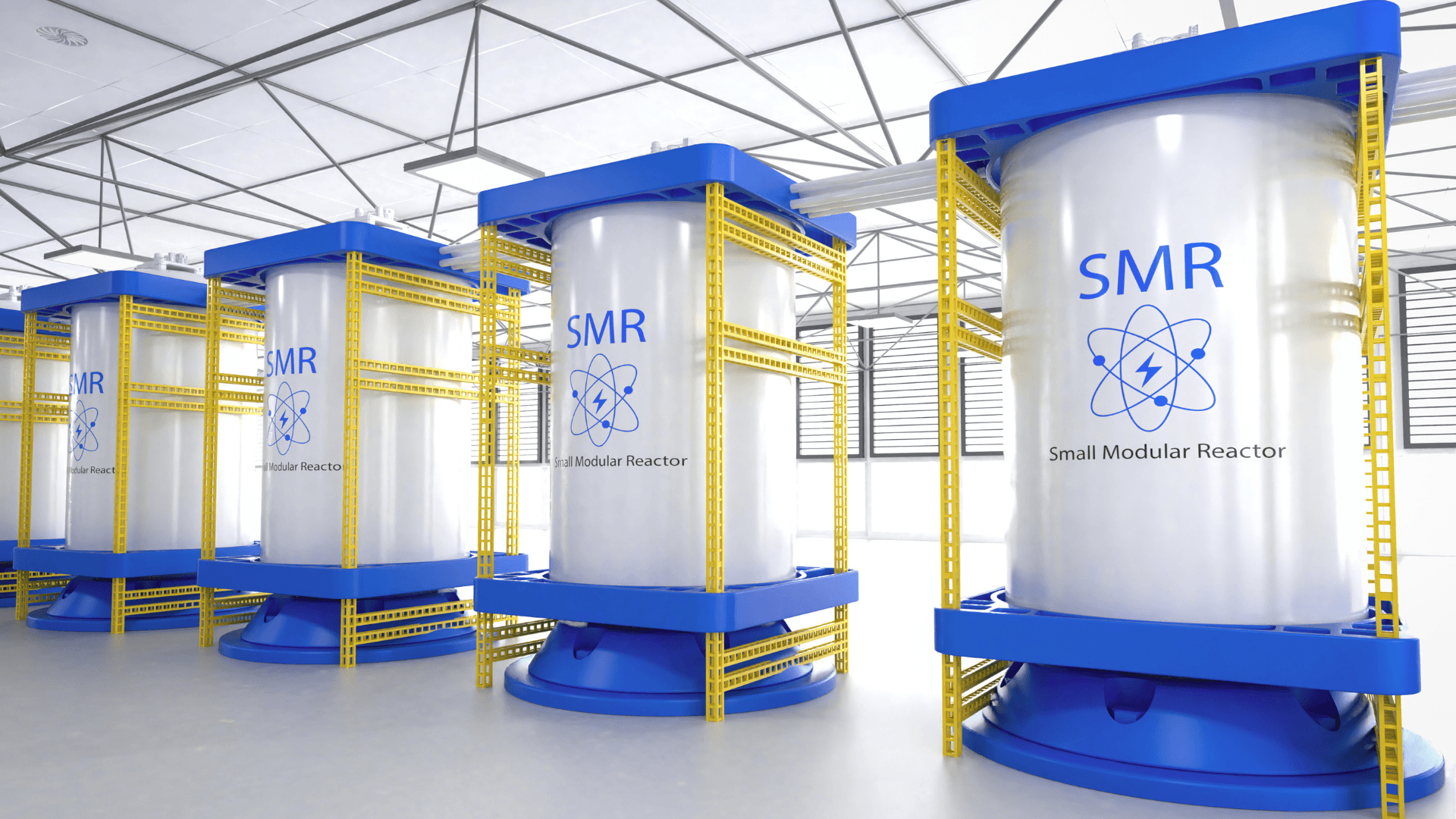
SMR heat exchangers operate in some of the most demanding industrial environments in the world. Efficient heat exchangers are essential for maintaining optimal nuclear reactor performance, ensuring effective cooling, reactor safety, and cost efficiency. Key challenges include:
Mechanical and Thermal Stresses
Heat exchangers in nuclear reactors must withstand high pressures and temperatures, as well as frequent thermal cycling. These stresses can lead to fatigue, deformation, and ultimately failure if not properly managed. Additionally, mitigating leaks in heat exchangers is critical to enhance reactor safety and efficiency.
Corrosion and Chemical Compatibility
The primary circuit of a nuclear reactor often contains aggressive coolants, such as borated water or liquid metals, which can attack conventional materials. Therefore, highly corrosion-resistant materials are required in primary circuits and heat exchangers to ensure long-term durability and safety. Material selection must account for both corrosion resistance and compatibility with the coolant to prevent degradation over time. At the same time, common root causes for heat exchanger performance issues include corrosion, scaling, and fouling. Visual inspections may reveal signs of corrosion or scaling in heat exchangers, prompting further investigation.
Implementing strategies to mitigate heat exchanger issues is crucial for enhancing performance and preventing failures.
High Thermal Loads and Temperature Gradients
Reactor-side heat exchangers must manage extreme heat flux and steep temperature gradients. Uneven expansion between plates, tubes, and structural elements can induce:
- Thermal stress
- Warping or distortion
- Fatigue cracking over time
Maintaining tight dimensional tolerances under these conditions is critical to preserving flow geometry and heat transfer efficiency.
Radiation Exposure
Materials in proximity to the reactor core are subject to neutron irradiation. Over time, radiation can cause:
- Embrittlement
- Swelling
- Microstructural changes affecting strength and ductility
Elcon Precision components are strategically manufactured from radiation-resistant alloys and fabricated in ways that minimize residual stresses that could accelerate degradation.
Corrosion and Chemical Compatibility
Depending on the reactor design, heat exchangers may interface with:
- Pressurized water
- Liquid sodium
- Molten salts
- Helium or other gases
Each coolant presents unique corrosion and compatibility challenges. Our engineering staff understands that material selection and surface condition become critical for preventing pitting, stress corrosion cracking, and long-term material loss.
Tight Tolerances for Modular Assembly
SMRs are designed around modular construction principles. Heat exchanger subassemblies often need to:
- Fit precisely within compact containment structures
- Integrate seamlessly with prefabricated modules
- Maintain consistent flow channel geometry across production runs
Dimensional variation that might be acceptable in conventional systems can significantly degrade performance or complicate installation in modular reactors. It's another reason why Elcon specializes in capabilities that specifically align with the rigorous requirements these applications demand.
Long-Term Cyclic Operation
SMRs are expected to operate flexibly, adjusting output to complement renewable energy sources. This introduces thermal cycling that can accelerate fatigue in:
- Plates
- Baffles
- Tube sheets
- Brazed or welded joints
Elcon Precision's manufacturing plays an essential role in minimizing stress risers and ensuring structural integrity over decades of operation. We provide manufacturing results that engineers can depend on long after initial implementation.
Critical Materials and Manufacturing Considerations
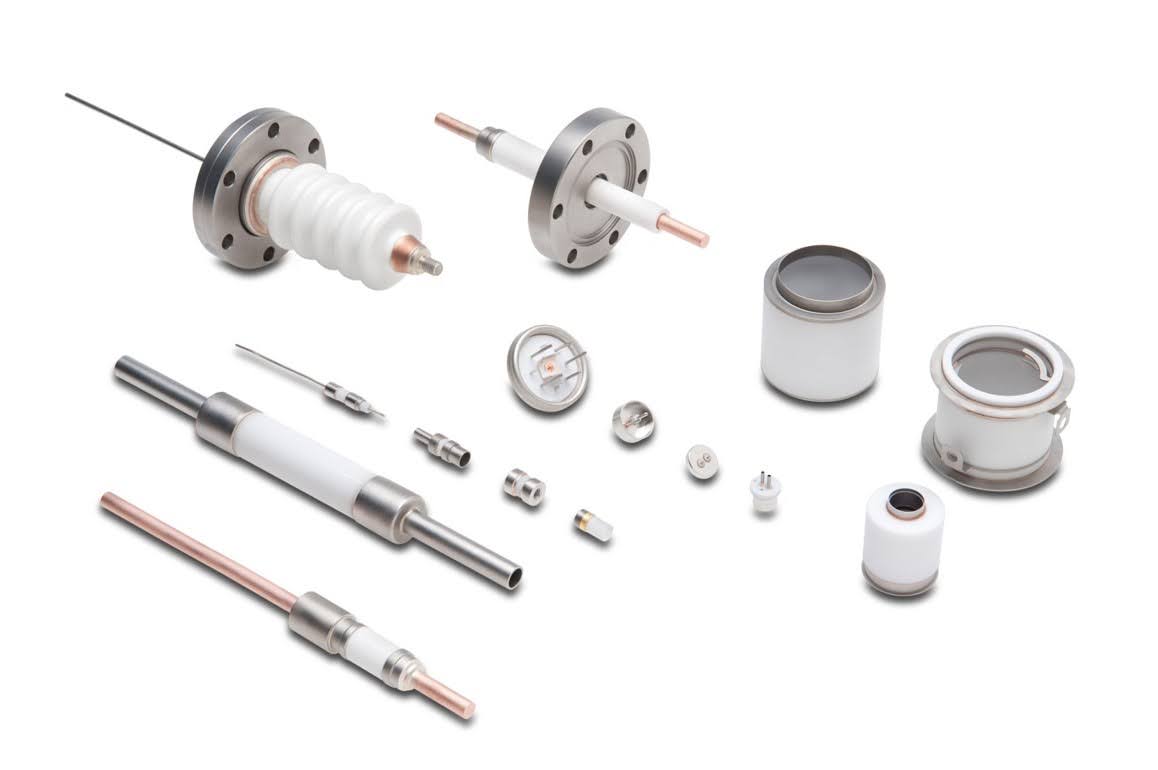
Material Selection for Extreme Environments
SMR heat exchangers commonly utilize:
- Austenitic and duplex stainless steels for corrosion resistance
- Nickel-based alloys (such as Inconel-type materials) for high-temperature strength
- Copper alloys where high thermal conductivity is required
- Aluminum alloys in select low-radiation or secondary-side applications
The tradeoff between thermal conductivity and corrosion resistance must be carefully evaluated. In nuclear systems, durability and chemical compatibility often take precedence over maximum conductivity.
Material traceability, lot control, and metallurgical consistency are non-negotiable in nuclear programs. Our quality control department at Elcon Precision takes immense pride in ensuring the parts you receive meet your specifications, exactly as designed, conforming to all quality requirements.
Photochemical Etching for Thin, High-Precision Components
Photochemical etching offers significant advantages for:
- Thin heat exchanger plates
- Micro-channel flow geometries
- Precision baffles
- Complex flow distribution features
Unlike stamping or laser cutting, photochemical etching:
- Introduces no mechanical stress
- Avoids heat-affected zones
- Maintains tight tolerances across thin-gauge materials
- Enables intricate geometries without secondary machining
For SMR heat exchangers, where flow uniformity and surface condition directly influence thermal performance, these benefits are substantial. We encourage you to explore our detailed service page focused on Photochemical Machining.
Precision Machining and Tight-Tolerance Fabrication
CNC machining plays a vital role in producing:
- Tube sheets
- Manifolds
- Structural frames
- Alignment features
Tight-tolerance machining ensures:
- Proper tube-to-sheet fit
- Controlled compression in plate stacks
- Reliable sealing surfaces
In high-pressure nuclear systems, even minor dimensional deviations can compromise leak integrity or induce localized stress.
Welding, Brazing, and Engineered Assemblies
Heat exchangers frequently rely on:
- Vacuum brazing for thin plate assemblies
- TIG or laser welding for pressure boundaries
- Diffusion bonding in advanced compact designs
Process control is critical. Poorly managed joining processes can introduce:
- Residual stress
- Distortion
- Microcracks
- Porosity
Precision brazing fabrication partners must understand both metallurgy and thermal performance requirements to produce leak-tight, structurally sound assemblies, one of Elcon's areas of expertise.
Where Precision Components Are Used in SMR Heat Exchangers
Precision components are embedded throughout SMR heat exchanger systems.
Plate-and-Frame Exchangers
In compact or modular designs, etched plates and flow channels must:
- Maintain uniform channel depth
- Control turbulence for optimal heat transfer
- Withstand compressive loads
Plate heat exchangers are commonly used in small modular reactors (SMRs) because of their compactness, efficiency, and scalability. These features make them ideal for improving safety, flexibility, and overall efficiency in modern reactor designs.
Minor deviations in plate thickness or channel geometry can disrupt flow distribution and reduce efficiency.
Tubular Heat Exchangers
Tubular configurations require precision in:
- Tube outer diameter and wall thickness
- Tube sheet hole tolerances
- Baffle spacing and alignment
- Manifold geometry
Accurate fabrication ensures uniform heat transfer and prevents vibration-induced wear or fatigue.
Core Thermal Assemblies
In some advanced SMR architectures, compact heat exchangers are integrated close to the reactor core. These assemblies demand:
- Exceptional dimensional control
- Radiation-resistant materials
- Surface finishes optimized for heat transfer
Precision alignment directly affects both performance and safety margins.
Hybrid Metal Assemblies
Certain designs incorporate hybrid assemblies that combine:
- High-conductivity metals
- High-strength structural alloys
- Ceramics for insulation or radiation shielding
Such assemblies require careful tolerance management to accommodate differential thermal expansion.
How Precision Manufacturing Solves SMR Heat Exchanger Challenges
Precision fabrication is not simply about meeting drawing requirements; it directly addresses the core engineering risks in SMR systems.
Maintaining Tolerances Under Thermal Cycling
Uniform material thickness and consistent geometry help distribute thermal stress evenly, reducing fatigue over long service lives.
Ensuring Leak-Free Performance
Controlled machining and brazing processes ensure proper sealing surfaces and joint integrity, essential for high-pressure reactor systems. It is crucial to design heat exchangers to minimize leaks, as leaks can compromise reactor safety and efficiency.
Optimizing Surface Finish
Surface condition influences:
- Heat transfer coefficients
- Fouling resistance
- Corrosion initiation sites
Precision etching and finishing processes enable engineers to achieve predictable surface characteristics.
Minimizing Residual Stress
Stress-free fabrication methods, such as photochemical etching, reduce the risk of distortion and premature cracking under cyclic loading.
Design and Material Selection Guidance for Engineers, from Engineers
For engineers developing SMR heat exchanger components, several considerations are critical:
- Balance thermal conductivity with corrosion resistance and radiation tolerance
- Confirm compatibility with both primary and secondary reactor fluids
- Evaluate manufacturing processes early in design, etching versus stamping versus CNC machining
- Account for tolerance stack-up in modular assemblies
- Engage precision fabrication partners early to validate manufacturability
The American Nuclear Society is a valuable source of technical knowledge and best practices for advanced nuclear reactor technologies and heat exchanger design.
Early collaboration reduces redesign cycles and ensures components can be produced consistently at scale.
Elcon Precision’s Capabilities for SMR Heat Exchanger Components
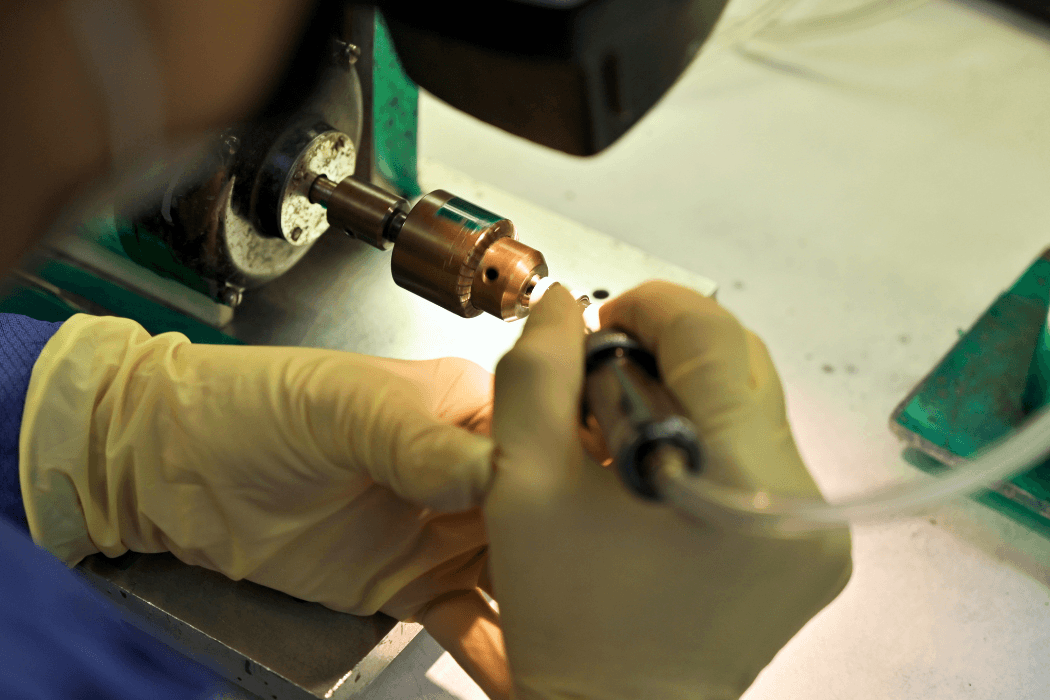
Elcon Precision supports advanced nuclear and high-reliability programs with fabrication expertise tailored for extreme environments.
Photochemical Etching Ideal for:
- Thin heat exchanger plates
- Precision channels
- Baffles and flow guides
- Fine-feature components requiring stress-free processing
Tight-Tolerance Machining
Capable of producing:
- Tube sheets
- Structural frames
- High-pressure manifolds
- Alignment-critical components
Brazed and Engineered Assemblies
Elcon provides:
- Vacuum brazed assemblies
- Metallization support
- Precision-welded structures
- Multi-material component integration
With decades of experience in high-temperature, high-pressure, and radiation-exposed applications, Elcon understands the documentation, quality control, and process discipline required for nuclear programs.
Rather than serving as a build-to-print supplier alone, Elcon partners with engineering teams to refine material selection, optimize geometries for manufacturability, and ensure repeatable, high-reliability production.
Let Elcon Precision Support Your Next Build
Heat exchangers are foundational to the safe and efficient operation of Nuclear SMRs. Their ability to withstand extreme temperature gradients, high pressure, radiation exposure, and corrosive environments depends on more than design theory, it depends on precision-engineered components manufactured with exceptional control.
Material selection, dimensional tolerances, surface finish, and joining methods all directly influence thermal efficiency, leak integrity, and long-term reliability.
For engineers designing next-generation SMR systems, partnering with a precision fabrication expert early in the development cycle can reduce risk, enhance performance, and support regulatory compliance.
Elcon Precision delivers high-precision etched components, tight-tolerance machined parts, and engineered assemblies built to meet the demanding specifications of advanced nuclear heat exchanger applications, where safety, efficiency, and reliability are non-negotiable.
